



The Difference Between Fiber Internet and Traditional Cable: Which One Should You Choose?
Compare fiber internet vs. cable for homes and businesses. Exsersol Inc. explains which is best and why professional installation matters.

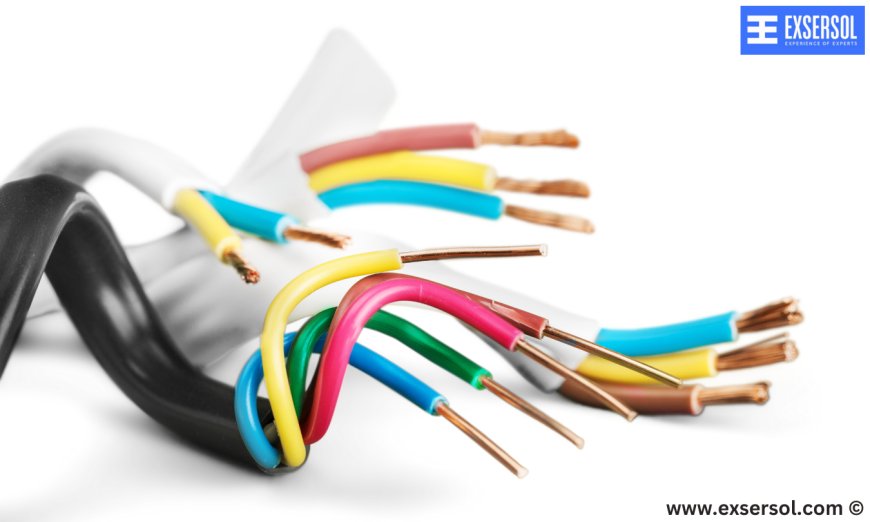
In today’s world, internet is more than just a convenience—it is the backbone of modern homes and businesses. From streaming and gaming to remote work and smart home systems, everything depends on a reliable connection.
But one big question remains for many people: Should I choose fiber internet or stick with traditional cable?
At Exsersol Inc., we’ve been providing professional internet, fiber, telecom, and security installation services since 2016. We’ve seen the difference first-hand. In this article, we’ll break down fiber vs. cable internet, compare their pros and cons, and explain why professional installation is always the best choice.
1. Understanding Cable Internet
Cable internet is one of the most common internet services. It works over the same coaxial cables that deliver cable television.
How Cable Internet Works


-
Internet data travels through copper coaxial cables
-
Many households share the same bandwidth in a neighborhood
-
Performance often drops in the evenings when everyone is online
Pros of Cable Internet
-
Widely available
-
Often cheaper than fiber at entry-level packages
-
Bundling options with TV and phone services

-
Quick setup in homes that already have coaxial wiring


Cons of Cable Internet
-
Shared bandwidth leads to congestion during peak times
-
Slower upload speeds than downloads (problematic for remote workers)
-
Signal interference possible from electrical equipment
-
Less future-proof compared to fiber optics
2. Understanding Fiber Internet
Fiber internet uses fiber optic cables—thin glass strands that transmit data as pulses of light. It’s newer, faster, and designed for future digital demands.
How Fiber Internet Works
-
Data moves at nearly the speed of light through optical fibers
-
Unlike cable, fiber doesn’t lose signal quality over distance
-
Fiber offers symmetrical speeds (upload = download)
Pros of Fiber Internet
-
Ultra-fast speeds (1–10 Gbps)
-
Consistent and stable, even during peak usage
-
Symmetrical upload and download speeds
-
Very low latency (perfect for gaming and video calls)
-
Future-proof and expandable as technology advances
Cons of Fiber Internet
-
Limited availability in some areas
-
Installation may require new infrastructure
-
Higher initial monthly cost than basic cable
3. Fiber vs. Cable: Head-to-Head Comparison
| Feature | Cable Internet | Fiber Internet |
| Download Speed | 25 Mbps – 1 Gbps | 1 Gbps – 10 Gbps+ |
| Upload Speed | 5 Mbps – 50 Mbps | 100 Mbps – 10 Gbps (symmetrical) |
| Reliability | Slows at peak hours | Consistent and stable |
| Latency (Lag) | Higher, noticeable | Extremely low, nearly instant |
| Availability | Widely available | Expanding, not everywhere yet |
| Best Use Case | Casual browsing, streaming | Businesses, gamers, remote work |
4. Real-Life Scenarios
-
Family Streaming: Cable may work for Netflix, but if multiple devices are streaming or video calling at the same time, fiber delivers a smoother experience.
-
Home Office: Uploading large files to the cloud? Fiber’s symmetrical speeds make it far superior.
-
Gamers: Cable’s lag can cost you the game. Fiber offers near-instant response.
-
Small Business: Reliability is crucial—fiber prevents downtime that can affect operations.
5. Why Professional Installation Matters
Even the best service plan can underperform if not installed properly. At Exsersol Inc., our certified technicians provide:
-
Proper cable routing and safe installation
-
Optimal router and modem placement for Wi-Fi coverage
-
Testing for maximum internet speed
-
Integration with telephone systems and security devices
-
Maintenance and repair services for long-term reliability
DIY kits may leave you with dead zones, weak Wi-Fi, or unstable performance, but professional installation ensures a smooth, reliable setup.
6. The Future is Fiber
Fiber networks are expanding rapidly, and many homes and businesses are already upgrading. Choosing fiber today means you’ll be ahead of the curve, enjoying faster speeds and greater reliability than those relying solely on cable.
Both fiber and cable internet can keep you connected, but the future clearly belongs to fiber. With faster speeds, reliability, and scalability, it’s the smarter investment.
Whether you are an ISP, a telecom company, a corporate office, or a homeowner, Exsersol Inc. can help with installation, service, repair, and maintenance of internet, fiber, telephone, and security devices.
Take advice from our experts today. Get your systems installed the right way—the first time.
What's Your Reaction?
 Like
0
Like
0
 Dislike
0
Dislike
0
 Love
0
Love
0
 Funny
0
Funny
0
 Angry
0
Angry
0
 Sad
0
Sad
0
 Wow
0
Wow
0